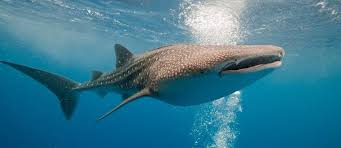
Whale Shark
Population stats
Population before becoming endangered
Population after becoming endangered
Percentage of population which decreased
Pacific Ocean: Whale sharks are commonly sighted in the waters around Southeast Asia, including the Philippines, Indonesia, and Malaysia. They also inhabit the waters off Australia’s northern coast, around Papua New Guinea, and into the central Pacific as far east as Hawaii.
Indian Ocean: They are found along the eastern coast of Africa, including Mozambique, Tanzania, and the Seychelles. They are also present in the Arabian Sea, around the Maldives, Sri Lanka, and up to the western coast of India. In the western Indian Ocean, they are found around Madagascar and the Comoros Islands.
Atlantic Ocean: Whale sharks are seen in the Atlantic Ocean as well. They inhabit waters off the coast of West Africa, including countries like Senegal and Ghana. They are also found in the Gulf of Mexico, the Caribbean Sea, and occasionally venture into the waters along the eastern coast of North and South America.
Whale sharks are known for their extensive migrations, moving across large distances to follow food sources such as plankton blooms and fish spawns. Their range can vary seasonally based on these movements and environmental factors.
Endangered.
Whale sharks are filter feeders, which means they primarily feed on plankton and small fish that they filter from the water. Their diet mainly consists of:
Plankton: This includes small organisms such as krill, copepods, and fish larvae. Whale sharks use their wide mouths to take in large volumes of water rich in plankton.
Small Fish: Occasionally, whale sharks also consume small fish, such as sardines and anchovies, especially when these fish are found in large aggregations.
Whale sharks are known for their feeding behavior where they swim near the water’s surface with their mouths open, allowing them to filter plankton and small fish through their gill rakers while expelling excess water through their gills. This feeding strategy is efficient for obtaining the nutrients they need from the vast amounts of water they filter.
However, some research suggests that whale sharks may also exhibit nocturnal behaviors, such as diving to deeper waters during nighttime. These behaviors could be influenced by various factors including food availability, water temperature, and reproductive activities.
Overall, while they are primarily diurnal feeders, whale sharks may exhibit some flexibility in their activity patterns depending on environmental conditions and other factors.
The lifespan of whale sharks is currently estimated to be around 70 to 100 years. However, determining the exact lifespan of these majestic creatures is challenging due to the difficulty in studying them throughout their entire lives in the wild. Researchers use various methods such as studying growth rates, age estimation from vertebrae samples, and tracking individuals over time to estimate their lifespan.
Factors such as environmental conditions, food availability, and human impacts can also influence the longevity of whale sharks. Conservation efforts are crucial in protecting these animals and ensuring they can thrive in their natural habitats for as long as possible.
Whale sharks are known to give birth to a large number of offspring in one pregnancy, potentially ranging from dozens to over a hundred pups. The exact number can vary depending on the size and age of the female, as well as other factors that are still being studied. Researchers have observed pregnant females with numerous embryos in their uteri, suggesting that whale sharks have high fecundity (the ability to produce offspring). This reproductive strategy is believed to compensate for high juvenile mortality rates and other challenges faced by the species in the wild.
Whale sharks are the largest known species of fish, and they can grow to impressive lengths. On average, adult whale sharks typically range from 12 to 14 meters (40 to 46 feet) in length. However, there have been reports of individuals reaching lengths of up to 18 meters (60 feet) or more.
Estimates based on studies and observations suggest that adult whale sharks can weigh anywhere from 20 to 30 metric tons (44,000 to 66,000 pounds). Some exceptionally large individuals may weigh even more.